Hoarder House Cleanout
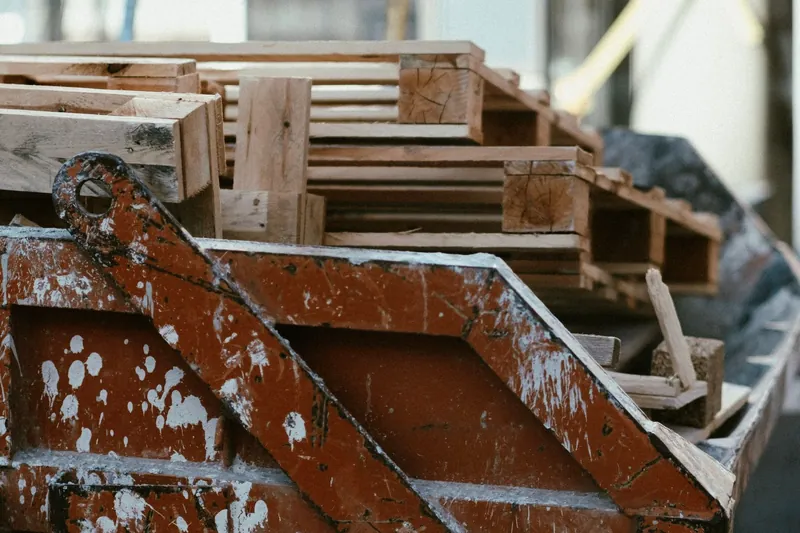
Hoarder house cleanout from the first room to the last, with trash hauled away.
See hoarder house cleanoutA respectful cleanup can open crowded rooms while giving personal belongings careful attention. Depending on conditions, the job may cover sorting and hauling, detailed cleaning, treatment for odor and remediation of waste or bodily fluids.
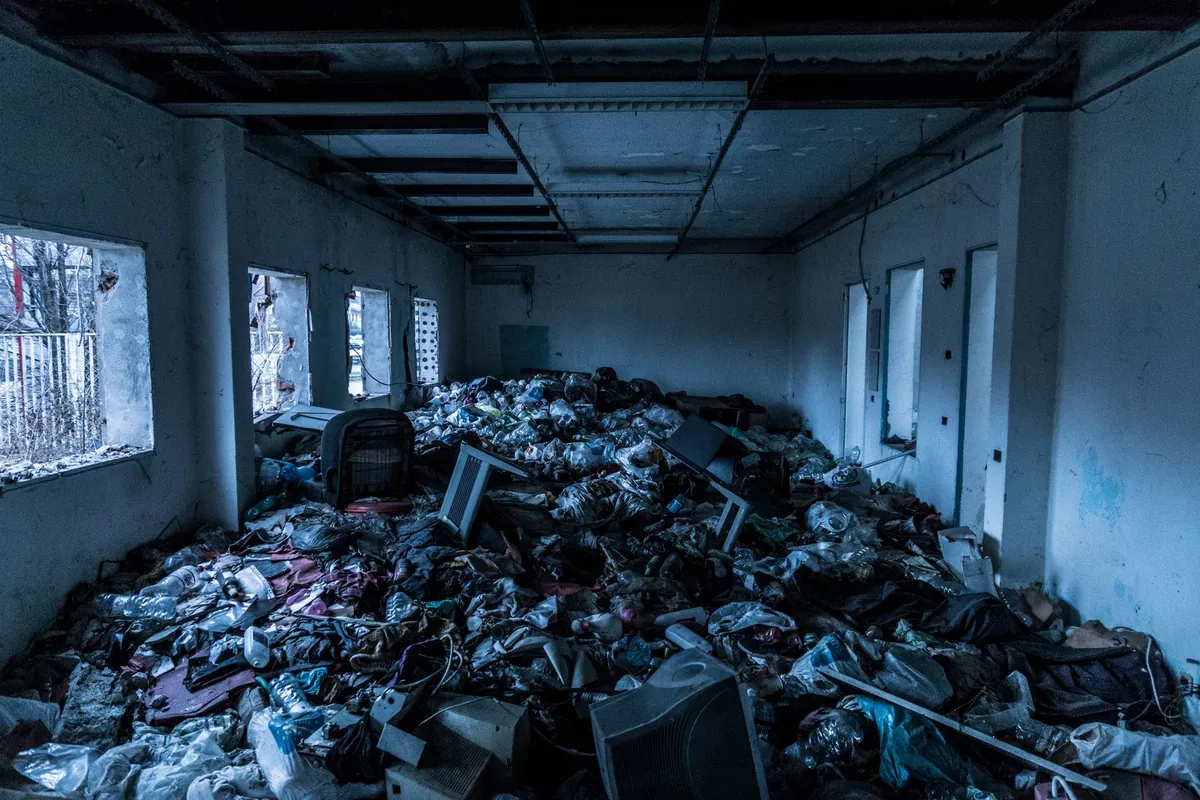
A hoarding cleaning service helps restore use of exits and rooms through organized sorting, approved rubbish and item removal, followed by deep cleaning.
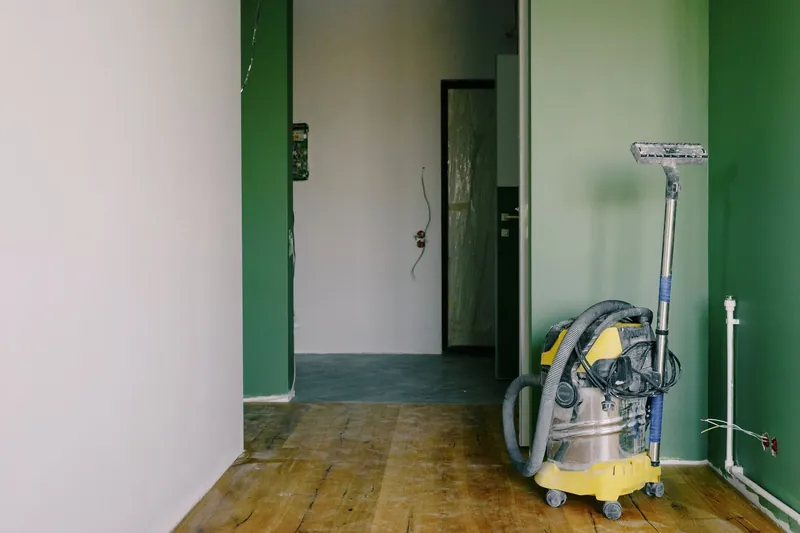
Removing clutter is only one part of hoarding cleanup. First, belongings are organized into groups for keeping, donation, recycling or disposal. You decide what happens to personal property, medication, photos and important paperwork after those items are set aside. Once removal is complete, accessible fixtures, walls, hard surfaces and floors receive room-by-room cleaning.
Ordinary junk removal and cleaning may be all one home needs. In another, workers may find bodily fluids, mold, sewage, sharp objects, spoiled food, urine, feces or animal waste. Biohazard methods, protective equipment and controls for removing materials are appropriate in those conditions. Decisions about the cleanup should follow the hazards discovered, not assumptions made about the occupant.
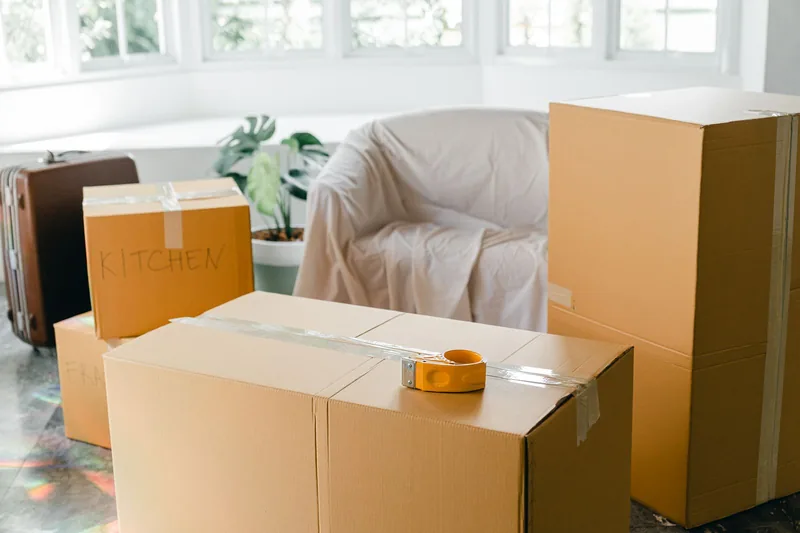
You can understand every stage because the plan lists sorting, hauling, restoration, biohazard tasks and deep cleaning separately.
Workers match protective gear, restricted work areas and disposal routes to bodily fluids, sharps, animal waste and any additional hazards present.
The crew travels in unmarked vehicles. To draw less unnecessary notice, crews can organize the bagging, loading and staging around the home.
Your input remains part of decisions involving personal property. Good sorting preserves the items you choose to keep and isolates anything uncertain for decisions at another time.
Hoarder cleaning services can help when the volume or condition of belongings makes normal housekeeping unsafe or unmanageable. Common situations include:
Safely removing the animals comes first, followed by a separate sanitation plan for urine, animal waste, damaged flooring and strong odors.
Accumulated items can restrict access near utility panels, stairs, windows and doors while keeping you from using bedrooms, kitchens or bathrooms normally.
The EPA notes that wet materials may develop mold within 24 to 48 hours. Damp piles also obscure damaged items and make drying slower.
Your relatives may need support sorting extensive personal property without losing records, photographs, heirlooms or other meaningful possessions.
Start with safety and a small set of decisions. A rushed cleanout can discard important belongings, increase distress and expose hidden hazards.
Call (888) 440-9227According to published hoarder cleanout cost guides, a light job at Level 1 has a $500 to $1,500 range. The range for Level 3 is $2,000 to $5,000 while severe Level 5 conditions have a $10,000 to $25,000 planning range. These ranges are not a quote. Final cost varies with home size, accumulation, hazards, access, disposal, hauling and post-removal cleaning.
Published national cost guides are the source for these ranges, rather than an inspection of your property. The price for your property is set after the on-site assessment, and you hear it before work starts.
Ask about cost: (888) 440-9227Insurance does not automatically cover hoarding cleanup. Coverage depends on the policy, the cause of damage and which parts of the work the insurer accepts.
The lease, property damage and local requirements can affect who arranges or pays for work. The tenant and owner should document conditions and discuss access before cleanup begins.
Find out whether a particular covered incident applies, including sudden water damage. Your policy may distinguish event-related damage from routine upkeep, cleaning and accumulation.
Ask which cause of loss is covered, what documentation is required, whether hauling and cleaning are treated separately and what deductible applies. Insurance companies may request photos, receipts and the scope of work, so keep those records for insurance assistance.
For estate property, an authorized representative should identify who may approve payment, removal and sorting before anyone moves personal property.
Your decisions should remain separate from the tasks of hauling and cleaning. Although every hoarding situation has different needs, a suitable team keeps the stages in safe sequence and makes each part clear:
A walkthrough documents water damage, blocked rooms, animal waste, unsteady stacks, pest activity and other affected areas. Priorities and decision authority are recorded before sorting starts.
Crews establish work areas and routes for walking. The hazards found determine whether workers select gloves, protective garments, respiratory protection or eye protection.
Each item is sorted for keeping, later decisions, donation, recycling or disposal. Medication, private papers, photos and valuable belongings are placed in a protected sorting area.
Nothing is taken from the property without approval. To protect surrounding areas from contamination, crews bag trash and carefully move furniture you do not want.
Anything affected by bodily fluids, animal waste, sewage or blood is isolated from regular contents. When material qualifies as hazardous waste, disposal must meet the specific rules governing that material.
Once exposed, surfaces including walls, fixtures, cabinetry and floors receive washing or vacuuming. Disinfection uses EPA-registered products and follows the label's full contact time in every area that needs treatment.
The first step is removing odor sources. Afterward, particles and odor left behind may be addressed through detailed cleaning, focused treatments and HEPA air scrubbers.
You inspect cleared paths, cleaned rooms, kept property and any areas that still need pest control, repairs, drying or restoration services.
Call at any time. Your hoarding cleanup specialist answers the phone, describes what happens next and works with you on a start time.
Heavy accumulation can hide physical and biological hazards, including serious health risks when exits are blocked or waste, moisture and pests are present.
Separate any loose needles, medications, leaking chemical products and pieces of broken glass. They do not belong loose in ordinary bags with clothing or household trash.
Urine, animal waste, blood and feces may soak into porous items. Blood may carry bloodborne pathogens, and the CDC says hepatitis B can survive on surfaces for at least seven days.
Overloaded floors and unstable stacks can make access difficult, narrow walkways and create risks from trips or falling objects. Workers should not pull from the bottom of a pile or enter an area that appears unstable.
Can you clean it yourself? Light clutter without sewage, animal waste, bodily fluids, loose sharps, heavy mold or unstable piles may be sorted gradually with gloves, sturdy containers and a clear exit. Stop if you uncover a biohazard, cannot identify a leaking substance or no longer have a safe path through the room.
The work may take a day for one small, lightly affected space, but a whole-home hoarder cleaning can require several days. A longer schedule is possible if conditions are severe, access is difficult, repairs or biohazard remediation are needed, or every item requires a decision.
| Scene | Typical time on site |
|---|---|
| Light accumulation, one small area | Often about one day |
| Several rooms needing sorting and deep cleaning | Often several days |
| Severe whole-home accumulation or biohazards | A week or more may be needed |
The first task in hoarding odor removal is locating the cause and taking it out. Trash, sewage, damp contents, spoiled food, animal waste and urine-saturated carpet require different methods. A fragrance can temporarily hide the odor, but cannot clean its source material.
Once the source is gone, cleaning and disinfection may be used on hard surfaces as appropriate. Air scrubbers and HEPA vacuuming can lower particles within the work zone. Contamination that has penetrated drywall, carpet pad, subfloor or cabinets may require those materials to be removed. An odor that continues may signal another concealed area needing inspection.
Under 29 CFR 1910.1030, OSHA's Bloodborne Pathogens Standard sets training, protective equipment and exposure control requirements when workers might contact blood or material that is potentially infectious.
Effective disinfection means choosing an EPA-registered product for the organism and observing its complete labeled contact time. Wiping a sprayed surface immediately reduces its contact time.
Virginia calls materials contaminated with human blood or body fluids regulated medical waste. The Virginia Waste Management Board's rules, administered by the Department of Environmental Quality, control packing, transport and treatment, so it cannot go in household trash.
Local health and building rules can affect how a contaminated room is cleaned and when it can be used again, so mention any notice you have received from the city or county.
The full hoarding cleanup guide covers what is cleaned or removed, odor and air quality work, and the rules that apply in Richmond City.
Read the full hoarding cleanup guide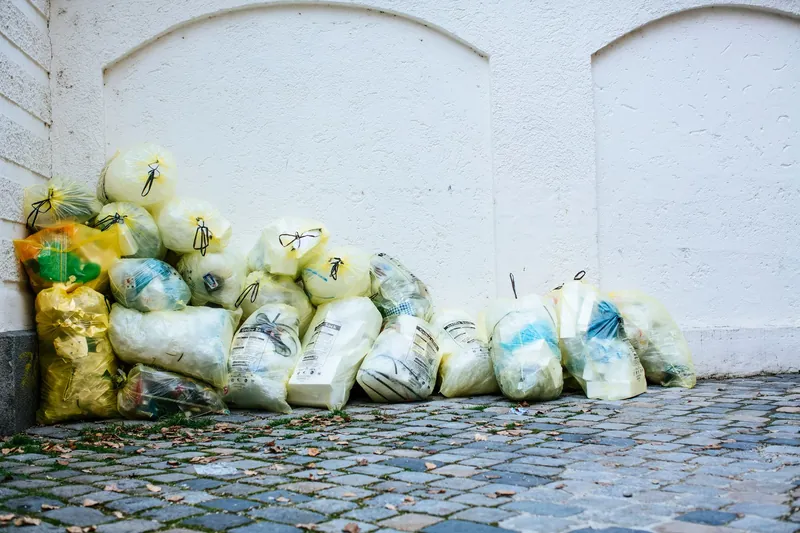
Local population patterns, housing and site access may affect how containment and cleanup are planned.
The nearest listed emergency facility is Medical College of Virginia Hospitals, about 1.7 miles away, so medical care remains separate from property cleanup.
With manchester-2, Oak Grove, and Swansboro close by, accurate street and unit details help avoid confusion during a sensitive response.
A cleanup plan for this neighborhood should account for adjacent homes or units when setting odor control and containment boundaries.
You can ask about cleanup in nearby communities and ZIP codes during the call.
Hoarder house cleanout from the first room to the last, with trash hauled away.
See hoarder house cleanout
Animal hoarding cleanup of waste, urine soaked materials and ammonia odor.
See animal hoarding cleanup
Cleanup removes filth and squalor from homes that are no longer safe to occupy.
See filth and squalor cleanup
Following a death, estate cleanout includes sorting possessions and removing them safely.
See estate cleanout after a death
Blood, body fluids and other infectious materials are removed, followed by property disinfection.
See biohazard cleanup
Rentals, residences and public bathrooms receive human feces cleanup and disinfection.
See human feces cleanup
For furnishings, flooring and subfloors, urine cleanup includes odor removal.
See urine cleanup
Death odor removal targets the source through ozone treatment, hydroxyl and air scrubbers.
See death odor removalYou might need to answer sorting questions, although you can stay outside areas where active work is underway. Children, pets and anyone with health concerns should stay away from dust, unstable piles and contaminated areas. Access requirements vary with the space layout, hazards found and any products being applied for cleaning or odor control.
The source of damage and policy language affect whether coverage applies. A policy may exclude normal buildup and cleaning but evaluate damage resulting from a covered incident another way. You should ask the insurance company about the cause of loss, requested records, whether sanitation and hauling are separate, and the deductible's impact on payment.
Your starting goal should be small and safety-focused, perhaps clearing the way out or making one bathroom functional. Use simple keep, decide later and discard categories. Limit how many categories you make at once. Never cross piled items or unseal a container that leaks. Someone supporting you can record each choice and help keep the initial session manageable.
For Level 1 light cleanup, Dropcurb publishes $500 to $1,500, while the Level 3 range is $2,000 to $5,000 according to the same source. Its Level 5 severe cleanup range is $10,000 to $25,000. Home size, blocked access, pests, animal waste, hauling, disposal and deadlines can change the final amount. A property-specific scope must be prepared at the site.
Work in that area should pause until the extent of urine, feces, pests and damaged materials is understood. You may need to take out carpet, underlay, subfloor or drywall after waste soaks into these porous materials. You can clean and disinfect hard surfaces using the right product for its full label contact time. Remove the odor source before treatment.
No. Removing unwanted belongings is the primary focus of junk removal. Personal property decisions are part of hoarding cleanup, which may also include odor removal, biohazard remediation, deep cleaning and disinfection. Certain jobs require both services. Make sure the scope distinguishes belongings that leave from rooms or surfaces that receive subsequent cleaning.
Discreet, respectful hoarding cleanup, 24 hours a day, with crews in unmarked vehicles.